From traditional burials to personalized funeral ceremonies, cremation and other services, we're here to help you plan and honor your loved one's final wishes with care and respect.
Cremation Memorial Options: Creative Ways to Honor Your Loved One’s Memory
Cremation has become an increasingly common choice for families across the United States, offering flexibility, personalization, and a wide range of meaningful memorial options. While cremation can simplify certain aspects of final arrangements, it also opens the door to many unique and heartfelt ways to commemorate a loved one’s life.
Whether you prefer a permanent resting place, an artistic tribute, a shared family keepsake, or a memorial experience that reflects your loved one’s personality, there are countless ways to preserve their story and honor their memory.
This guide explores the most common and creative cremation memorial options available today. From traditional cemetery interment to cremation jewelry, cremation gardens, custom memorial art, and more, you’ll discover inspiring ideas that can help you choose the right tribute for your family.
Understanding Your Cremation Memorial Options
After receiving the ashes, or cremated remains, of a loved one, families often wonder what comes next. Cremation does not end the memorial process; it simply gives you time and space to consider the right option. Some choose to host a memorial service or celebration of life, while others proceed immediately with burial or inurnment.
Cremation memorialization is also highly customizable. A family may choose:
A personal keepsake
A cemetery option
A memorial object or piece of art
Ultimately, the best cremation memorial is one that feels meaningful, dignified, and authentic to the person being remembered.
Choosing the Right Urn: Materials and Styles
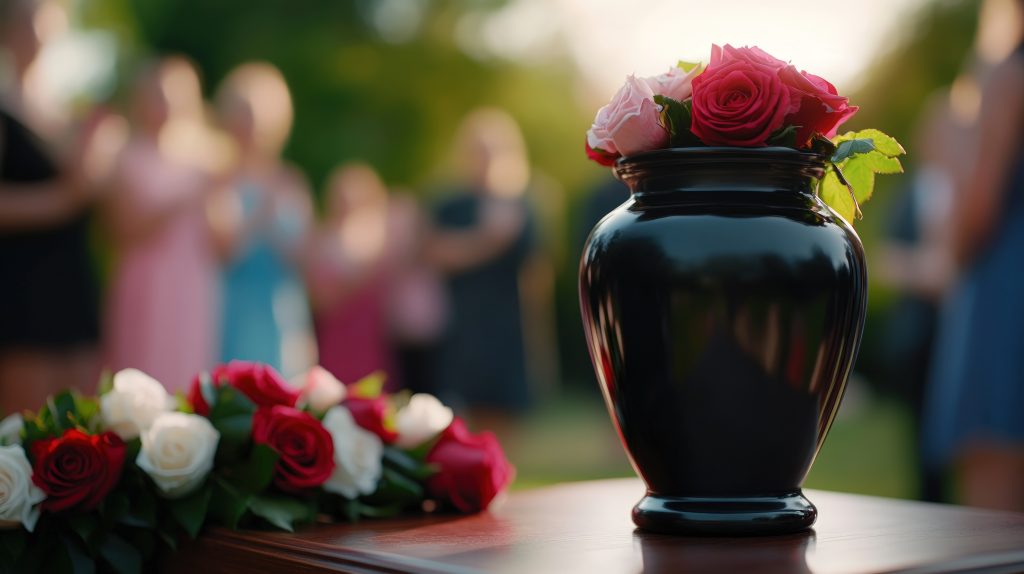
Selecting an urn is often one of the first decisions families make. Cremation urns serve as both a container and a tribute, and its design can reflect your loved one’s personality, passions, and values.
Common urn materials
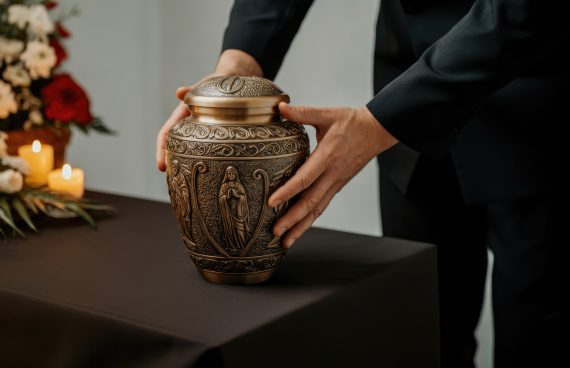
Metal urns Durable and elegant, metal urns (often aluminum, bronze, or brass) offer a wide range of finishes and engravings. Many families choose metal urns for their longevity and classic appearance.
Wood urns Crafted from materials like cherry, mahogany, maple, or oak, wood urns offer warmth and natural beauty. These urns are often chosen for their handcrafted look.
Ceramic and glass urns Artistic and one-of-a-kind, these urns often feature hand-painted designs. They are ideal for families who want a piece that feels expressive or symbolic.
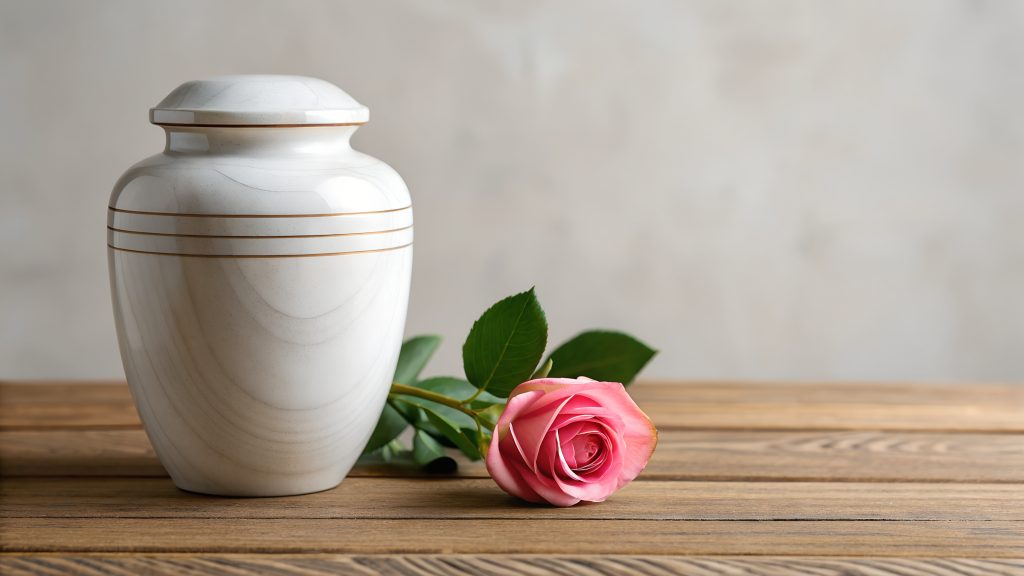
Stone or marble urns Known for their long-lasting strength, stone urns provide a stately appearance. They are often chosen for families who prefer a more traditional, substantial design.
Biodegradable urns Made from natural materials such as paper, clay, salt, or plant fibers, biodegradable urns are designed for environmentally conscious families and natural burial.
Stylistic Options
Urns can be customized with:
Engravings
Photos
Religious or cultural symbols
Personalized quotes
Military emblems
Hobby motifs, such as fishing, motorcycling, gardening, or music
The right urn is one that brings comfort and reminds you of your loved one (or in the case of preplanning, whatever you prefer).
If a family is dividing the ashes, each person will need a smaller urn, commonly called a keepsake urn. The family may choose a set, or each person can choose their own urn that reflects what their loved one meant to them.
Cremation Jewelry and Keepsakes
From diamonds and dog tags to pendants and art, there are many unique options to ensure your loved one can physically be with you for the rest of your days.
Cremation Jewelry
Diamonds Thanks to remarkable innovations in technology, Memorial Planning providers can offer beautiful cremation diamonds formed from ashes. Cremation diamonds are 100% real gems seeded, grown, and designed in a lab. A relatively new form of memorialization, cremation diamonds became available in the early 2000s, allowing families who lost loved ones or pets to select this memorable option.
The process begins in specialized laboratories, with scientists extracting carbon (the element diamonds are made of) from ashes or hair/fur. Once they have carbon, they replicate the natural conditions that form diamonds by exposing it to extreme heat and pressure in a lab. The end result is a truly one-of-a-kind, breathtaking gem that is a final gift from a departed loved one. The diamond can be set into a ring, necklace, or earring, serving as an everlasting symbol of life, legacy, and the true essence of the person.
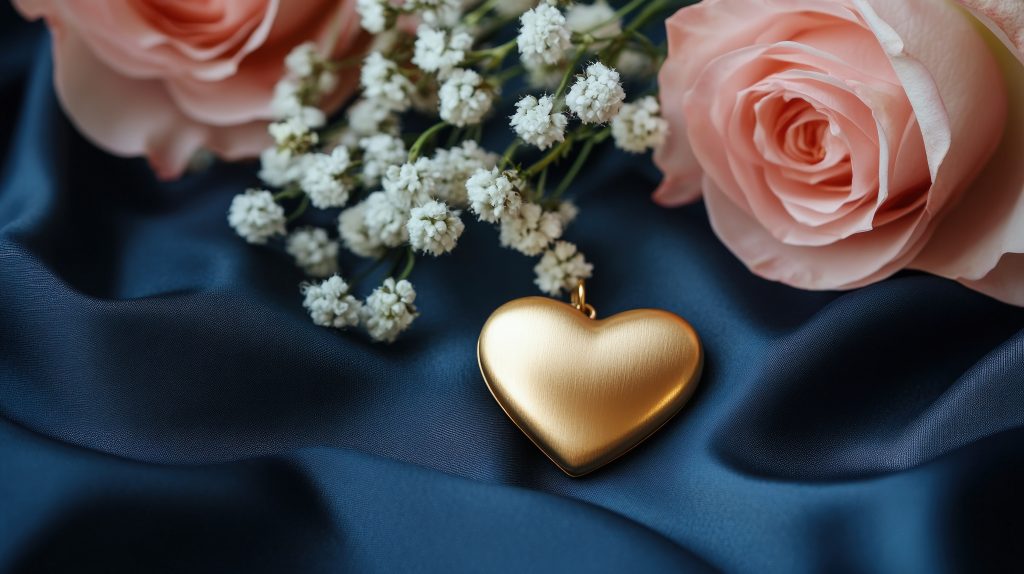
Bracelets and pendants For those who prefer a more traditional approach, bracelets and pendants are timeless options. Small amounts of cremated remains can be sealed inside the jewelry, often within a discreet compartment. Bracelets can feature meaningful charms, beads with engraved names, or words such as Mom, Dad, or Forever in My Heart. Pendants – available in shapes such as hearts, crosses, teardrops, and arrows – can hold a portion of ashes while offering space for a custom engraving. Many families find comfort in knowing a small part of their loved one is always near, represented through an exquisite, enduring charm.
Other cremation keepsakes For families who select burial or choose to preserve ashes in a different manner, there are countless ways to honor a loved one’s memory through personalized memorial jewelry and mementos. Options such as fingerprint necklaces, engraved dog tags, cufflinks, or pieces featuring birthstones and meaningful dates are all one-of-a-kind alternatives.
Fingerprint jewelry is especially touching, as it preserves the unique pattern that belongs to the person you cherish. Dog tags, often chosen to honor veterans or those with a strong sense of duty and service, can feature a loved one’s name, date of birth, or a favorite saying. Cufflinks or tie clips engraved with initials are subtle yet touching reminders suitable for daily wear or special occasions.
These personal tributes can be shared among family members, offering each person their own tangible link to the past. Whether worn close to the heart or kept in a safe place, each keepsake tells a story and reflects a bond that continues beyond a lifetime.
Glass art Blown glass paints the memories of loved ones in vibrant color, and with the ashes often visible in beautiful swirls and hues, it transforms a loved one’s memory into a true work of art.
The process of incorporating ashes into glass art is simple: After your funeral home provides the ashes to glass artisans, the artisans combine the ashes with molten glass before adding color and shaping the artwork.
Families can request a paperweight, a unique artwork, ornaments, vases, and other items. Consult with your Memorial Planning provider to explore your options.
Cremation jewelry and keepsakes offer families a deeply personal way to honor a loved one’s life and legacy. Whether worn, displayed, or shared, these meaningful pieces provide comfort, connection, and a lasting reminder that love continues beyond loss.
Burial vs. Inurnment Options for Urns
Many are surprised to learn that cemeteries offer a wide range of memorialization options for cremation.
To provide a permanent, accessible place of rest where loved ones can visit for years to come, families who select cremation can explore their options for cemetery interment:
Urns can be buried in their own plot
Urns can be inurned (placed) in a niche, an above-ground compartment in columbaria and mausoleums
Urns can be set within a memorial bench, boulder, or pedestal/post.
Urns can be placed on an exclusive family estate.
For an idea of which memorialization you may want in the future, explore traditional cremation options along with unique alternatives.
Burial
Just as a casket can be buried, an urn can be set within its own plot on cemetery grounds. This can include an urn vault (learn about vaults) and a marker or monument commemorating the life of the departed.
Inurnment If you visit a cemetery, you may see niches – small granite or glass-front compartments – set within columbaria or inside/outside mausoleums. Like monuments and markers for graves, niches typically have space for a photo and small vase along with the inscription.
Cenotaphs
If a person wishes to be scattered, families may dedicate a cenotaph in their honor. A cenotaph is marker for a person who is not interred in that location. Cenotaphs are typically established for:
Families who choose scattering
A closer alternative for loved ones interred elsewhere
Commemoration for notable figures (e.g., the Congressional Cemetery) or historical events.
Family estates Family estates are premium, customized lots dedicated to one family, person, or group. These estates are often ideal for families who want to remain together, even if they have different preferences for disposition. Niches can be placed alongside crypts, a pedestal can be encircled by markers or monuments, or a family columbarium can be accompanied by a memorial bench – the choice is yours, and the options are only limited to your wishes.
The decision between burial and inurnment is truly a matter of preference. Burial follows the “ashes to ashes” tradition of placing one within the earth, while inurnment provides a permanent home above-ground.
Whichever you choose, laying a loved one to rest in a peaceful, timeless sanctuary helps families remain connected to their heritage, visit in their own time, establish memorial traditions, and honor loved ones for years into the future.
Now, imagine the inviting beauty of cremation gardens, and discover unique tributes for urns.
Cremation Gardens
During the 19th and early 20th century, many developing American cities didn’t have parks or dedicated natural spaces; so, many families would host leisure activities in the few places that were outside and professionally maintained: the local cemeteries. At that time, cemeteries were accepted as the perfect location to gather with friends for a picnic, enjoy nature, and visit loved ones.
These practices slowly disappeared once cities opened recreation spaces, but to this day, cemeteries have retained their peaceful, manicured qualities as local green spaces.
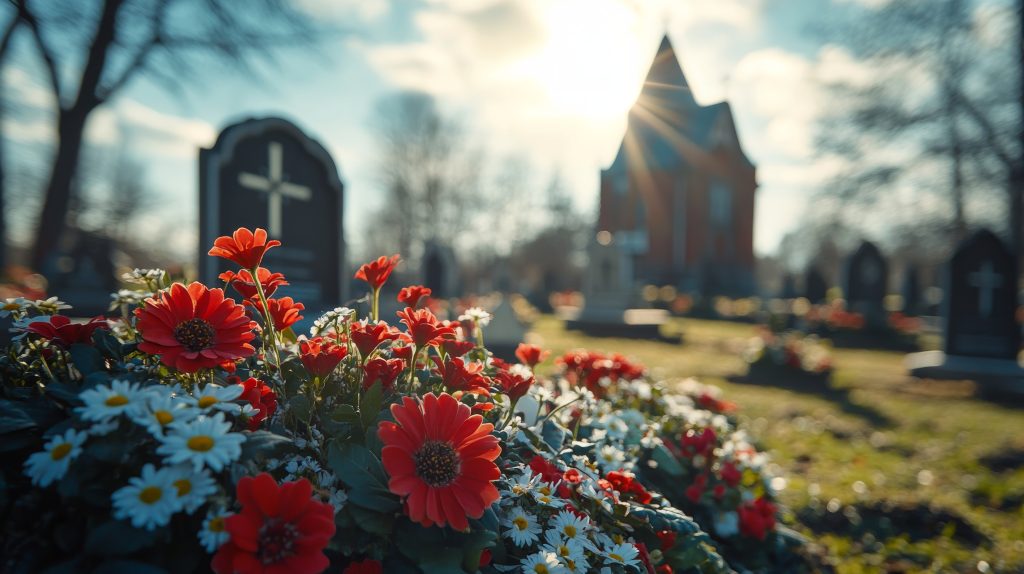
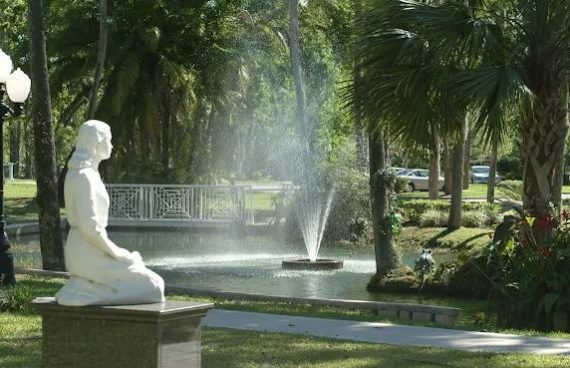
With the rise of cremation in America, cemeteries have also evolved to include cremation gardens; these cremation-only sections feature markers, monuments, columbaria, and unique tributes like memorial benches, boulders, and pedestals/posts.
With functional or one-of-a-kind options, cremation gardens have only enhanced the beautiful, welcoming nature of cemeteries. Here are a few examples of how cremation garden tributes can create a park-like setting when visiting a loved one.
Benches When visiting a cemetery, you’ll see that memorial benches are a common feature; they’re present throughout the grounds, inside and outside mausoleums, in cremation gardens, and on family estates. When visiting a loved one, many families like to have a place to sit, so memorial benches naturally combine comfort with memorialization.
These benches are often carved from granite or marble and come in a variety of classic colors and custom design options.
Cremation benches can provide space to hold multiple urns, allowing visitors to sit with loved ones, talk about life and memories, and relax in a serene environment.
Additions like a statuary feature, photos, or special engravings can add a personal touch in moments of reflection. Consult with your Memorial Planning cemetery or Family Service Counselor to learn about the many options available to you.
Cemetery etiquette Visitors may wonder if they are allowed to sit on benches if they are not related to the departed. Memorial benches that offer express permission are the most welcoming: keep an eye out for benches with an inscribed variation of, “Sit with me.” These tributes are the best options that honor the wishes of the family. When taking a break, consider looking up the obituary information of the departed to learn about who they were as a person.
Boulders Boulders don’t often come to mind when people consider cemetery tributes, but they’re a meaningful option for anyone who prefers a unique, naturally formed monument that will blend into the landscape. They’re also ideal for families who would like to mark the location of a natural burial.
Memorial boulders do not have the smooth, flat surfaces and clean cuts that standard markers and monuments have. Instead, boulders retain their natural form and texture, similar to a stone you would find outside.
Colors and sizes will vary, but cremation boulders are specifically carved to include a compartment for an urn. To add bronze plaques, stonemasons carve a uniform surface into the rock, ensuring the plaque will fit perfectly with the natural contours of the stone.
In parks and community squares, pedestals and posts are commonly used to commemorate historical figures and major events. These elegant tributes also have a place of dignity within cremation gardens, honoring beloved family members.
Like memorial monuments and benches, pedestals and posts are carved from granite and can hold one or multiple urns. They may have a flat or angled top, or be crowned with a decorative feature like a butterfly, angel, or hobby motif. To see the various pedestal and post designs, contact your local Memorial Planning provider and consider touring a cemetery. Seeing examples in person will help you visualize options for the future.
A pedestal vs. a post Pedestals are the taller of the two options and offer many customization options, while posts often have a standard design and are closer to the earth.
Cremation gardens continue the long tradition of cemeteries as places of peace, beauty, and connection. Thoughtfully designed to be open and welcoming, they offer families a meaningful way to memorialize a loved one while enjoying the restorative qualities of nature. Whether marked by a bench, boulder, pedestal, or post, each tribute contributes to a landscape that invites remembrance and peaceful moments.
Creating Memorial Displays
Memorial displays have a prominent role at funeral/memorial services and celebration of life ceremonies, with photos and mementos presenting the departed as they lived.
But importantly, memorial displays don’t have to be set aside after the funeral – they can live on and change with time, continuing and evolving just as your love for the departed.
Here are a few ideas for creating your display:
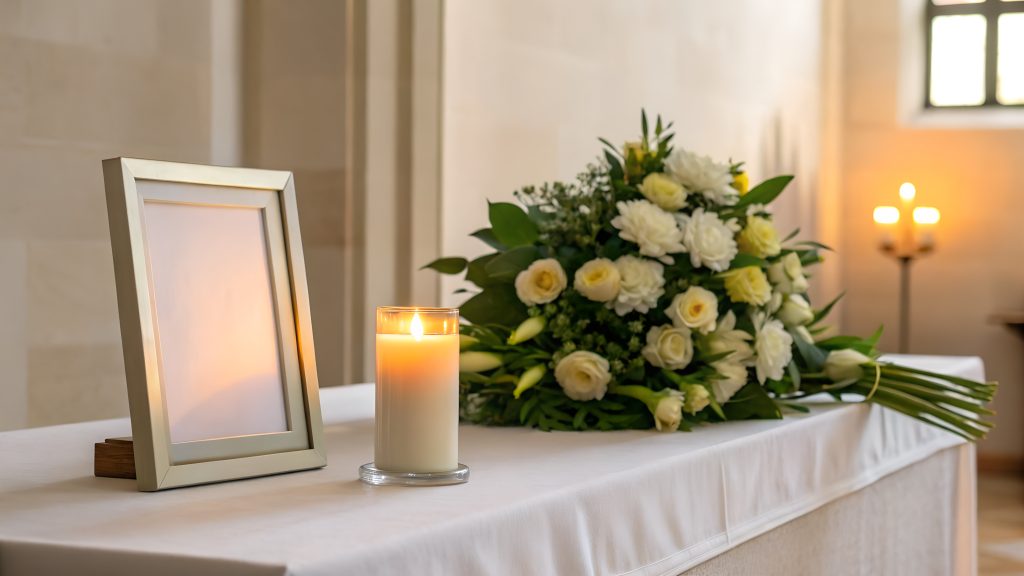
Photos – Pictures are the prominent feature of every memorial display. Gather your favorite photos of your loved one and place them in frames, in a booklet, a collage, a string, or however you like. You can also set up a digital photo display that cycles through a gallery. Choosing various photos and capturing different times in their life can help you reflect on who they were to you and to others.
Mementos – From books and collectibles to toys and jewelry, mementos that a loved one touched, used, and treasured are unique reminders of the small things that mattered to them. Mementos can become family heirlooms or draw smiles as a callback to a fun moment. Consider the most memorable aspects of your loved one’s character to choose the right items. Naturally, smaller objects will likely work best on a table, but if you have room, designate space for larger objects. It may help to place especially important items in a shadow box to provide an extra layer of protection. Once you’ve gathered the mementos, set them on the table with the photos.
Accents – Photos and mementos are the most important aspects of a memorial table, so once you have those items, you can stop there if you’re ready to design your display. But if you’d like to create or purchase additional items to establish a unifying theme, you can choose a few accents. These can include simple items like candles and flowers, or items that are specific to your loved one’s interests (e.g., a flower figurine for a gardener, or a ball for a sports fan). Some families add accents depending on the holiday season and change out accents throughout the year.
Once you have all the elements of your memorial table, it’s time to create a display that your loved one would have admired. You can set up your table in an often-used area of your home or in a private area like a bedroom or office.
If you’re using candles or tablecloth, keep safety in mind when pets or young children are around.
Permanent memorial displays
Permanent memorial displays are perfect time capsules, revealing the true essence of a loved one for visitors and future family members.
Glass-front niches Some indoor mausoleums offer glass-front niches similar to official exhibits. In cemeteries, glass-front niches are one of the few tributes that can present photos and mementos along with the urn. Family members use these displays to proudly share the life and legacy of their loved one, creating a lasting space for remembrance.
Family estates Family estates with a private mausoleum often feature an indoor shelf or space for a memorial display. These buildings provide an exclusive, dedicated space to set up displays, honor tradition, and reinforce the importance of family roots for generations to come.
With these ideas in mind, gather your loved one’s trinkets, books, awards, religious totems, fan gear, and treasured items, and begin planning a special display.
Caring for a loved one’s memorial tribute can be a tangible way to retain your bond with their memory. In fact, through many cultural traditions, people take great pride in caring for their loved ones’ markers and monuments (consider Día de los Muertos and the Qingming Festival), taking the opportunity to gather family, revitalize the space as needed, and “catch up” with their person.
Depending on the final home of a loved one’s urn, long-term care or maintenance can be simple, if required at all. The following details provide guidance for outdoor tributes like markers, monuments, benches, etc. For interior niches and crypts, it’s best to consult with Park Services.
Stone markers, monuments, etc. Granite and marble are timeless, durable stones that can withstand the elements and passage of time. Still, with every new blade of grass or speck of dust, stone tributes may show signs of wear and tear unless tended to with personal care.
Cleaning granite and marble tributes requires gentle materials to protect the longevity of the stone’s sealant and its naturally elegant appearance.
You will need:
Cleaning gloves and comfortable clothing/shoes
A mild, pH-neutral dish soap or a stone cleaner (these can be found in home improvement and retail stores)
Soft microfiber cloth
Do NOT use:
Acidic or harsh chemicals (including vinegar, baking soda, and citrus chemicals)
Abrasive cleaning tools (scrubbers, brushes, and rough cloths)
Abrasive sponges (steel, scrubbing sponges, sponges with a sandpaper-like texture)
With your materials in hand, you’re ready to clean your stone. At the cemetery, you’ll need to clear the stone of any visible debris/plant matter, apply the cleaning solution, and use the microfiber cloth to clean the stone’s surface.
If you’re cleaning an older headstone with extreme buildup, it may require a deep cleaning. In that case, please consult with the cemetery’s Park Services for guidance, as any intervention may require an expert approach to ensure the appearance and integrity of the material remain intact.
Bronze markers
Shaped into sculptures, athletic medals, machinery and more, bronze is truly a metal of the ages. Even when its color changes, bronze is renowned for its noble appearance and value.
While its traditional elegance makes bronze a top choice for artistic/historical projects, it is also highly valued for its practical application in cemeteries. Because bronze is naturally strong and resistant to corrosion, it’s the perfect metal for markers and monuments.
Though bronze requires minimal maintenance, families may wish to clean their bronze to help retain its original appearance and remove any signs of tarnish. To clean a marker, begin by preparing a few items.
You will need:
Cleaning gloves and comfortable clothing/shoes
A bronze, brass, or copper cleaner or a mild, pH-neutral dish soap (these can be found in home improvement and retail stores)
Abrasive cleaning tools (scrubbers, stiff brushes, and rough cloths)
Abrasive sponges (steel sponges, scrubbing sponges, sponges with a sandpaper-like texture)
Materials with salt or chlorine.
With materials in hand, you can clean your loved one’s marker in a few simple steps. First, clear the metal of any visible debris/plant matter, then apply the cleaning solution, and gently wipe the surface with the microfiber cloth. Use the soft-bristled brush to remove any hardened grime.
After cleaning the bronze, thoroughly dry the metal (it’s important to keep the bronze dry), then use the wax to polish the surface, applying a protectant seal.
Markers with patina If the bronze you’re cleaning has a green/blue coloration, this is not a cause for concern – the green/blue coloration, called patina, is a natural change that does not damage the metal; in fact, patina can protect the bronze beneath it.
Bronze can form a patina because it’s a copper alloy. When copper and copper alloys are exposed to oxygen, water, and other elements over time, they often develop a layer of patina. For outdoor objects that are made of bronze, the process can happen more quickly when compared to indoor bronze objects.
Patina gives copper alloys a distinct appearance that is famed in the world of history and art appreciation; however, some families prefer the classic, warm look of bronze over a marker with a green/blue appearance.
If your marker has a patina and you’d like to have it removed, you should request a bronze refinishing service from your Memorial Planning provider. This service enlists a metal artisan who uses specialized tools to safely remove the patina while protecting the metal beneath.
Cremation offers families the freedom to honor a loved one in ways that are deeply personal, meaningful, and lasting. From urns and jewelry to cremation gardens, memorial displays, and long-term care, each option provides an opportunity to reflect a life well-loved and a bond that endures. There is no single “right” choice, only the one that brings comfort, preserves memories, and feels true to the person you are honoring. By exploring these options thoughtfully, families can create a tribute that continues to tell their loved one’s story for generations to come.








 Map view
 Use current location