






 Map view
 Use current location


Plan ahead and save 25%*
For a limited time, first-time purchasers can receive 25% off new cemetery property* at participating locations. Explore options for yourself or your family and find a lasting place to honor what matters most.
Start planningNeed assistance? We're always here for you.
844-808-3310
Cremation has become an increasingly popular choice for final arrangements. Many families choose to keep the cremated remains of a loved one in a special place, such as an ornamental urn on the mantle. Others prefer to scatter the cremated remains in meaningful locations. However, it’s important to understand the rules and regulations surrounding the scattering of cremated remains. Here’s what you need to know.
You can legally scatter cremated remains on your own private property, in many public and federal lands with restrictions, at sea (3+ miles from shore), and in dedicated cemetery scatter gardens. Here’s a complete breakdown of where you can scatter ashes, and where you can’t.
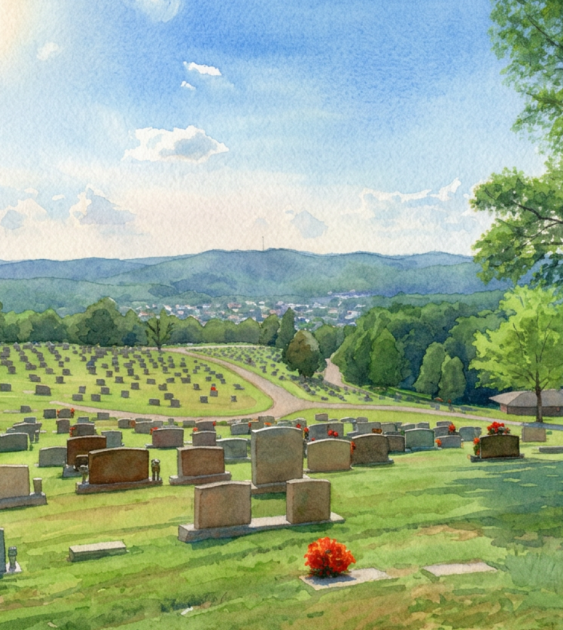
Many of our locations offer scattering gardens, which are designated areas within a cemetery where cremated remains can be respectfully scattered. The benefits of a scatter garden include cost-effectiveness, serenity, personalization. continuity and privacy.
For more on why families are choosing scatter gardens, see our guide on the benefits of a scatter garden. To fi nd a Memorial Planning location with a dedicated scatter garden, use our location finder.
Cremated remains are considered safe and inert, with no federal laws prohibiting their burial or scattering on your own private property. Each state has its own regulations, but universally, you have the right to scatter cremated remains on your own land.
When it comes to scattering on someone else’s private property, things become more complex. You must have the property owner’s permission to avoid trespassing. Always seek approval before scattering cremated remains on private land that isn’t your own.
Places to consider on private property:
Scattering cremated remains on public property can be more challenging. While each state has specific regulations, local laws may also come into play. You might need to obtain permission from state or local authorities before scattering cremated remains on public land.
Federal lands generally do not permit scattering, but some national parks have designated areas for this purpose. Always check with the specific park for their rules.
Places to consider on public property:
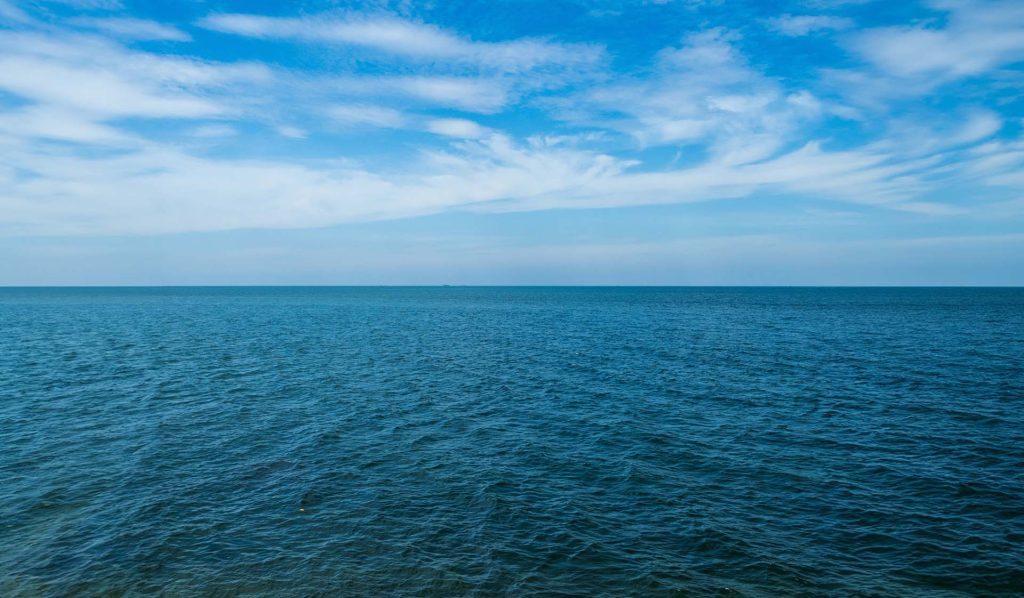
Federal laws, such as the Clean Water Act, strictly regulate scattering cremated remains over bodies of water. Scattering in the ocean is only allowed at least three nautical miles from shore, and non-biodegradable containers must be retained.
Closer to shore, scattering is not permitted in tide pools or on the shoreline. For smaller bodies of water, like lakes or rivers, you may need a permit from the relevant state or federal agency.
Looking for a beautiful, legal place to scatter ashes?
Find a Memorial Planning location with a scatter garden.
In addition to the common places mentioned, other options include scattering cremated remains in a cemetery’s designated scattering garden. These serene, landscaped areas are ideal for peaceful reflection.
Another, less common option is scattering cremated remains from an aircraft. While the FAA doesn’t regulate this, it’s important to ensure nothing is released that could pose a danger to those below.
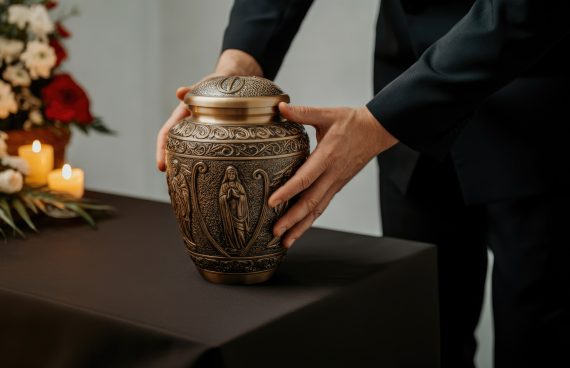
If scattering isn’t your preference, cremated remains can also be buried or interred. Many choose to bury cremated remains in a cemetery or on private property, or place them in a niche in a columbarium, a structure designed specifically for urns.
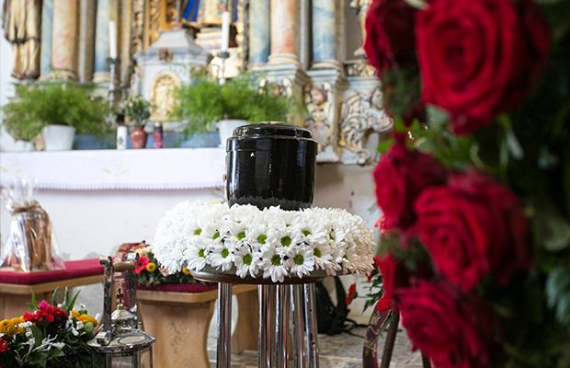
Religious considerations may also influence your decision. For instance, the Catholic faith requires cremated remains to be buried or interred in a sanctified space, not kept at home.
Making final arrangements for a loved one can be emotional and challenging. Whether you choose cremation for personal, financial, or environmental reasons, it offers various options for the disposition of cremated remains. You can keep cremated remains at home, bury or inter them in a cemetery, or scatter them in meaningful places.
Understanding where you can legally scatter cremated remains is crucial to honoring your loved one’s wishes while complying with state and federal laws. Always ensure you have permission before scattering cremated remains on public or private property to avoid any legal complications.
Wherever you choose to scatter ashes, doing so legally and respectfully matters. Many Memorial Planning locations off er scattering gardens and other meaningful options for cremated remains. Find a location near you to ask about scatter gardens, or explore our cremation services.


