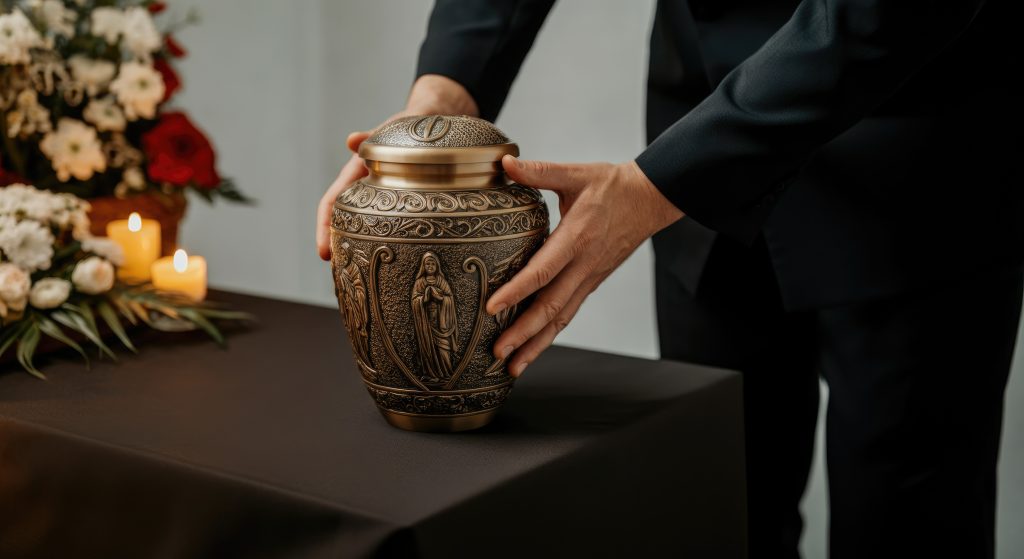
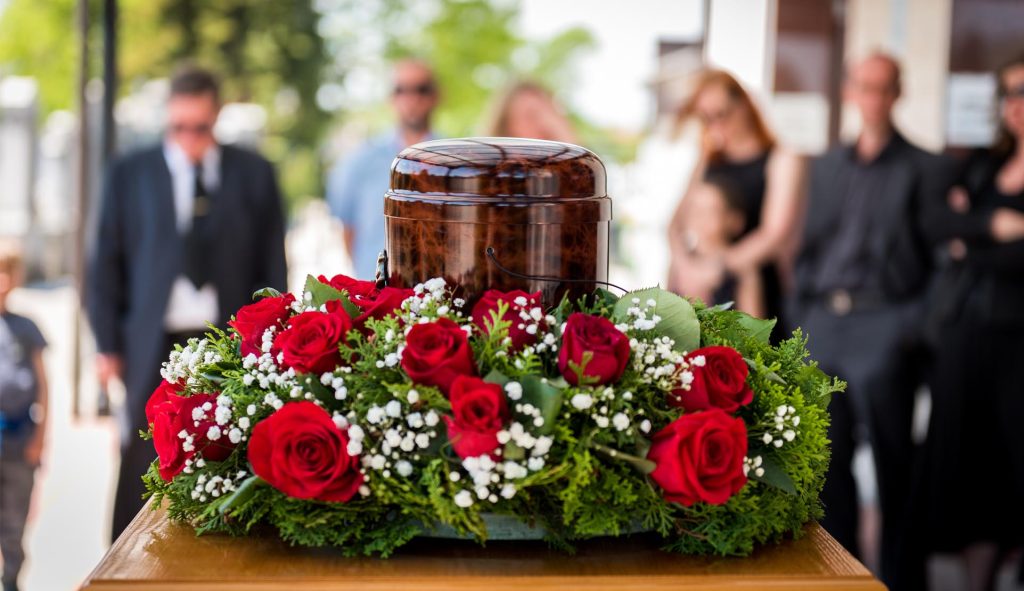
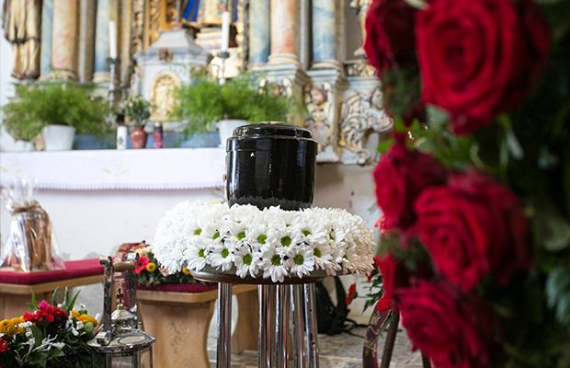
From traditional burials to personalized funeral ceremonies, cremation and other services, we're here to help you plan and honor your loved one's final wishes with care and respect.
Direct Cremation vs. Full-service: Which Option is Right for Your Family?
As cremation has grown in popularity throughout the United States, families today have more freedom and flexibility when planning end-of-life arrangements. Yet with that freedom comes a meaningful question: which cremation option is best for you, your loved one, and your family?
For many who opt for cremation, the choice centers around two primary types of cremation:
Direct cremation (sometimes called simple or immediate cremation)
Full-service cremation (traditional funeral service followed by cremation)
Both options involve the cremation process, but the experience, cost, planning needs, and emotional atmosphere can feel very different. Understanding these distinctions can help families who are choosing between cremation services make a decision that reflects the personality, beliefs, and wishes of the person being honored.
This guide will walk through cremation service comparison considerations in a helpful and straightforward way, so you feel supported and informed as you make important cremation planning decisions.
What Is Direct Cremation? Understanding the Simple Option
Direct cremation is the simplest and most economical form of cremation. It involves the cremation taking place without a formal viewing, funeral service, or gathering beforehand.
The process usually follows these steps:
The funeral home or cremation provider completes the necessary paperwork.
Your loved one is brought into the provider’s care.
Cremation is performed.
The ashes are returned to the family in an urn or temporary container.
Because direct cremation does not involve the preservation and service costs that come with full-service cremation, it is one of the most affordable end-of-life options available today, offering a simple choice with flexibility for memorial services later.
What is Full-Service Cremation? Traditional Funeral with Cremation
Full-service cremation includes a formal visitation or viewing along with a funeral ceremony. Before the cremation, the departed is embalmed and prepared for presentation, and laid in their casket or alternative container.
Families may choose to hold the service in a funeral home chapel, place of worship, community venue, or a cultural or family gathering space.
The process usually follows these steps:
The funeral home or cremation provider completes the necessary paperwork.
Your loved one is brought into the provider’s care.
You can partner with your provider to arrange services or review selections if your loved one’s memorial was pre-paid.
The body is prepared for viewing and placed in a casket.
Next-of-kin is welcomed to a private viewing/visitation.
The funeral or celebration of life takes place in the following days, allowing loved ones, friends, and community members to pay their respects.
After the ceremony concludes, the cremation takes place, and the ashes are returned to the family.
Because full-service cremation involves the presence of the body, it allows family and friends to say their goodbyes while gathering for communal comfort.
Choosing Between Direct Cremation and Full-service Cremation
Who Should Choose Direct Cremation?
Direct cremation may be the right option for families who do not wish to have funeral services or gatherings, or those who need to schedule services at a later date/distant location. It’s also an option for those who prefer lower-cost deathcare services.
Fortunately, families can still have a memorial service if they select direct cremation. After cremation, families can host memorial services later and have the urn in attendance along with family members and friends.
What Are the Benefits of Full-service Cremation?
Full-service cremation is a meaningful option for those who wish to gather with family and friends in honor of the departed. It provides an opportunity for loved ones to be in the presence of the departed one final time.
Funeral services and/or viewings grant families the opportunity to:
View the departed
Touch the departed (hold their hand, kiss their forehead), if acceptable
Come together to share stories of a life well-loved
Customize services and tributes in honor of the departed
Accept and give comfort
Perform religious and/or cultural last rites
Timeline Differences: Direct vs. Full-service Cremation
Because direct cremation forgoes services for viewing/visitation and ceremonies, it can typically occur immediately, giving the arranger more time to organize/schedule any additional services.
Alternatively, full-service cremation allows families to schedule viewings and/or services, offering more time to bring everyone together and plan a ceremony that would honor the departed.
Family and Pre-Planning Considerations
Because of the emotional, traditional, and sacred nature of deathcare, end-of-life services are for both the departed and the loved ones who are left behind.
So, when considering whether you should have a direct or full-service cremation, explore different options to see which would be best for your family and the memory that will be left behind.
Direct simplicity
In some circumstances, direct cremation can be a practical, convenient option. Here are a few scenarios where direct cremation may be a helpful choice:
If the arranger plans to have a funeral and inter the departed in a distant location, direct cremation can help the arranger save on transportation costs, especially when air travel is involved. If the ashes need to be transported by flight, be sure to consult your Memorial Planning provider for information regarding Transportation Security Administration (TSA) regulations for flying with urns.
If an arranger has a limited budget or needs to make arrangements in an official capacity, they may opt for direct cremation as a more cost-efficient option.
A person who does not want a viewing after death may prefer direct cremation. In these cases, it is always best to pre-plan to ensure your wishes will be honored when the time comes. Even if there is no viewing, families may honor the memory of their loved one by holding a private memorial service or reception at a later time.
Saying goodbye with full-service
Full-service cremation includes personalized ceremonies that bring loved ones together. Many families treasure the opportunity to have a final moment with the departed and honor their memory. Here are the benefits of having a full-service cremation:
Loved ones can see the departed one final time.
Guests can gather to grieve and provide comfort to one another.
Families can host a simple, traditional service or organize ceremonies/themes fitting the character of their loved one.
Because full-service cremation includes a range of options and offerings, Memorial Planning funeral providers work side-by-side with families to plan funerals or advanced arrangements.
Memorialization Options Before Direct Cremation
For families who select direct cremation, there are ways to ensure the arrangements are to their satisfaction and imbued with special elements.
Here are a few ways to organize a meaningful direct cremation while retaining the simplicity of the process:
Goodbye gifts — If a family member would like to place an item in the casket/alternative container with their loved one before the cremation, it’s vital that they speak with their Memorial Planning representative beforehand. Dangerous items are not permitted; items that are explosive or have potential to cause damage to the cremator can halt the cremation process and endanger crematory operators. (Note that this option may not be available for select direct cremation services.)
Viewing/witness — Before cremation, families may request a small informal viewing, or to view the beginning of the cremation process; just be aware that these services can incur additional fees and may not be available at all locations.
Urn selection — Once cremation is completed, the cremation operators will place the ashes in an urn or temporary urn. If the family would like to select the permanent urn for their loved one before the cremation, they can review options with their provider.
If you have any questions about your options, custom selections, or final arrangements like death certificates, delivery of the ashes, etc., it’s important to have a discussion with your Memorial Planning funeral/cremation provider.
Memorialization Options After Direct Cremation
After direct cremation, there are many ways families can respectfully honor the life of a loved one. With proper planning and thoughtful communication, memorialization can be an affordable, meaningful tribute to the departed.
Ceremony options — With the flexibility of direct cremation, families can host a memorial service or Celebration of Life weeks, months, or even a year after cremation. This gives the family more time to plan, complete final arrangements, and manage travel logistics if needed.
Keepsakes — Before or after receiving the ashes, the family can select cremation keepsakes such as diamonds made from ashes, pendants holding ashes, dog tags, glass art, and more. If the ashes are divided among family members, this gives everyone the opportunity to choose beautiful keepsakes that remind them of what their loved one meant to them. (Keepsakes can also be purchased ahead of time in pre-planning, allowing someone to leave special gifts to their loved ones.)
A place of rest — Placing an urn in a cemetery niche provides a secure, accessible place for family and friends to pay tribute. It also provides an opportunity to memorialize your loved one with an epitaph and/or a photo. Once the urn has been placed, the memorial location of the departed becomes part of their genealogical record, helping generations find them years into the future.
Direct cremation doesn’t have to be the end; in fact, it can be the beginning of a remarkable journey, one that honors your loved one’s final chapter and establishes a place and purpose for celebrating their memory. Speak with your Memorial Planning provider to learn about which memorialization options are available to you.
Cremation: Religious and Cultural Factors to Consider
If you subscribe to a particular faith, learning about applicable traditions can provide ideas and guidelines for your end-of-life preferences, and help you decide whether your family should select direct or full-service cremation.
Cremation options also vary by region, so contact your Memorial Planning provider to plan accordingly.
Religious Views on Cremation Buddhism and Hinduism – Cremation is the top choice in Buddhist and Hindu populations; in fact, in Hinduism, the faithful observe cremation as a required final rite that is part of the life cycle.
Christianity – Cremation is accepted among Catholics and Protestants, however, the Catholic Church has specific requirements for treating the human body with reverence. In all instances, ashes must remain intact (i.e., can’t be separated or scattered) and be interred on sacred ground. On the contrary, Eastern Orthodox teachings strictly forbid cremation, believing the body must be laid to rest.
Islam – Islam also strictly forbids cremation. Instead, a departed Muslim should be treated to specific last rites (including prayers, washing, shrouding) and buried within 24-72 hours.
Judaism – Cremation is not permitted among traditionally Orthodox and Conservative sects of Judaism, but it is practiced by less-conservative families. According to My Jewish Learning, in most cases, a body that is cremated can still be interred in a Jewish cemetery/section.
In the United States, cremation has slowly overtaken burial as the most-selected method of disposition. Currently, cremation is more common in western states, with all western states, excluding Utah, having a cremation rate at 61% or above. The Cremation Association of North America projects that by 2029, 67% of Americans will opt for cremation.
Personalizing the Remembrance: Ways to Make the Service Unique
If your family chooses to have a ceremony before or after cremation, there are many ways to personalize the ceremony and give others the opportunity to pay their respects. More and more families are choosing to include elements that reflect what made their loved one unique.
Ideas for Personal Touches
Photo displays or memory boards
A table of meaningful items (such as awards, mementos, or favorite collections)
Custom playlists of songs they loved
Serving favorite foods at the reception
Playing recorded messages or home videos
Providing memory cards for guests to write stories or words of encouragement
Incorporating spiritual, cultural, or nature-based rituals
Whether the ceremony is for a full-service cremation or after a direct cremation, personalization can make even the simplest gathering feel heartfelt and memorable.
Permanent Resting Places for Cremated Remains
After cremation, families have many choices for a final resting place. This decision often becomes part of the larger conversation about family cremation options and how to maintain a place of connection.
Cemeteries
Cemeteries are dedicated places of rest where loved ones can gather for ceremonies, grieve freely, find community, and pay tribute to the memory of the departed. As sanctuaries for the living and the dead, they hold a sacred role in every community.
Many don’t realize that cemeteries have urn spaces for memorializing loved ones in a secure, accessible place. Common options include:
Mausoleum or columbarium niche placement
Burial in a family plot or inurnment in a private mausoleum/columbarium
Placement in a cremation garden (memorial benches, boulders, etc.)
These options provide a dedicated place for future visits and remembrance. Families also choose permanent placement to avoid transferring urns from generation to generation, and for a secure place that removes the risk of ashes being lost, damaged, or forgotten in storage.
Scattering Ceremonies
Before or after interment, some families may save a portion of the ashes to scatter outdoors. Scattering can take place in a meaningful location, such as a favorite hiking trail, garden, body of water, or family home. This is also a common time to hold a service. Before scattering ashes, it’s important to check for scattering regulations and permitting in the chosen location.
Making the Choice That Feels Right for Your Family
Choosing between direct cremation and full-service cremation is a deeply personal decision. For most, it’s not simply about cost or logistics: it’s about honoring a life and traditions, supporting the bereaved, and creating a farewell that reflects the unique character of the person you love. As you consider which cremation option is best for your family, take time to reflect on your values, the needs of those who will gather to remember, and any wishes your loved one may have shared.
If your family is seeking simplicity, flexibility, and convenience, direct cremation may offer the clarity you need. It allows you to move at your own pace, plan a memorial service after cremation when the time feels right, and focus on what matters most: remembering your loved one in a meaningful way. For some families, this simplicity brings peace, especially if travel or scheduling is needed before gathering.
If your family finds comfort in coming together, seeing the departed one last time, or holding a more traditional funeral, then full-service cremation may be the most healing choice. The opportunity to share stories, offer condolences, and experience communal support can be deeply valuable during times of grief. A celebration of life or traditional service can help honor the person’s role in the lives of those who loved them.
There is no right or wrong choice: only what feels appropriate, respectful, and supportive for your family. Every life is unique, and every farewell can be, too.
When you feel ready, Memorial Planning providers are available to help guide you through your cremation planning decisions with compassion and clarity. Whether you are comparing cremation services, exploring memorialization or keepsake options, or simply need someone to explain the process step-by-step, a Memorial Planning Family Service Counselor is ready to assist.








 Map view
 Use current location